Trail-Bound Mastery from the High Workshops

Step into the high country where practical beauty is shaped by snow, stone, and relentless wind. Here, we profile Alpine artisans crafting gear for the trail, following bootmakers, rope splicers, metalworkers, weavers, and pack builders whose work begins at the bench and earns trust on scree, ice, and ridge lines. Read, ask questions, and bring your curiosity along.

From Forge to Summit

{{SECTION_SUBTITLE}}
Bootmaker at Daybreak
At dawn in Chamonix, a bootmaker traces chalk arcs over full‑grain leather, then handwelts each vamp using Norvegese stitching that shrugs off meltwater. She checks shank stiffness against an old granite step, aligns Vibram lugs to bite scree, and stamps a resole code inside the counter, promising repair, continuity, and miles that feel remembered.

Ropes by the Torrent

Down the Aosta Valley, a rope maker twists kernmantle cores beside a glacier‑fed torrent, listening for the subtle rasp that signals perfect lay. UIAA tests stack in binders, but his real notes live on frayed prototypes, dyed with walnut husks, where he marks sheath slippage, knot behavior in sleet, and confidence gained on awkward traverses.

Materials Born of Altitude

These workshops draw from slopes and forests, choosing fibers and timbers that already understand weather. Loden holds warmth without stifling; ash bends and returns; vegetable‑tanned leather breathes and endures. Salvaged avalanche‑felled larch becomes frames, beeswax becomes weatherproofing, and every decision respects the mountain’s ledger: weight, repairability, traceability, and a patience no catalog can counterfeit.

Wool That Defies Weather

In Valais, a weaver cards high‑crimp fleeces, fulls the cloth to felted density, then lays seams off‑shoulder to avoid rub under straps. Lanolin remains by design, resisting drizzle while breathing uphill heat. Her capes aren’t nostalgia; they are storm buffers that dry by the hut stove and feel kinder each time they brush rock and rain.

Wood with Memory

South Tyrolean hands select straight‑grained ash for snowshoe frames and pole shafts, reading sapwood lines like topographic maps. Thin laminations cure against curved forms, learning a steady arc that flexes under crust yet rebounds on firmer patches. Binding holes are oiled, not burned, to preserve strength, and each pole basket threads replaceably for field fixes.

Design Shaped by Weather

Mountains are unforgiving editors. Prototypes return from glaciers with truth in every nick and smear. Makers sketch in damp notebooks, move seams away from hotspots, enlarge pulls for mittens, and accept that the best ideas often appear when breath fogs the headlamp beam and a stubborn buckle refuses to answer numb fingers calmly.

Heritage and Apprenticeship

Skills pass along like ridge lines: rarely straight, always connective. In attic shops and stone sheds, apprentices learn to hear thread tension and read the breath of steel. Family stories surface in maker’s marks; guild habits persist through new materials. Tradition becomes a living muscle, flexing as weather changes yet rooted in older, steadier rhythms.

The Last Stitch in the Attic Shop

A grandmother in Savoie kept a spool tucked behind tea tins, measuring hems by fingertip memory. Today her granddaughter backtacks a heel counter, whispering the same caution about rushing the final stitches. When a buyer asks why lead times stretch, she smiles gently: consistency is counted in winters survived, not weekends cleared for shipping deadlines.

Marks in the Grain

Before shipping a pair of poles, a carver presses a tiny edelweiss into the ash, right where a glove naturally rests. It is not branding; it is orientation, inheritance, and a wink to hikers who notice. Years later, a returned pole carries that flower smoother, proof that attention also polishes as surely as mountain weather does.

Learning the Long Way

An apprentice smith spends months watching colors run along a blade before he’s allowed to quench. He learns that steel remembers impatience and that rhythm steadies courage. When his first axe returns scratched but trusted, he writes the owner, thanks them for miles, and files notes that will outlast every social post he never made.

Repair, Longevity, and Circularity
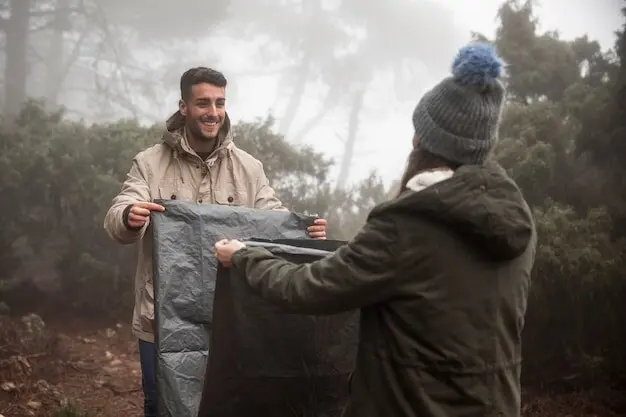
Durability is designed from the start, then honored through service. Many makers guarantee resoles, replace buckles, re‑wax cloth, and trade parts so favorites stay familiar. Waste offcuts return as pouches; retired frames become fixtures. Every repair reframes value: not novelty’s thrill, but continuity’s comfort when trail companions age alongside your stride and changing seasons.

Resole Before Replace

A cobbler in Courmayeur tracks pairs by number, noting terrain and gait. When lugs thin, he removes midsoles gently, keeps cork footbeds intact, and presses fresh rubber with heat that respects glue lines. Customers leave with old uppers, renewed grip, and that rare relief of keeping broken‑in stories while regaining trustworthy bite underfoot.

Pack Clinics After Storms

Following a week of sleet, a maker hosts a clinic where hikers bring scuffed packs and honest tales. Seams get bar‑tacked, straps shortened, and drain holes added. Advice flows both ways: field hacks become shop standards, while workshop insights prevent tomorrow’s failures. Community begins at the repair table, bonded by thread, tea, and rain recollections.

How to Meet Makers

Start with markets, mountain festivals, and cooperative galleries where conversation feels natural. Write concise emails describing your terrain and expectations, and practice a few local phrases. Arrive on time, listen more than you talk, and ask how testing works. Makers welcome curiosity when it travels with patience, context, and respect for quiet concentration.

Choosing Your Companion

Match gear to pace and priorities, not fantasy routes. Try boots late in the day, check heel lock on stairs, and flex poles on uneven ground. Prefer repairable closures, field‑serviceable hardware, and materials with transparent sourcing. The right companion disappears on good days and forgives mistakes on bad ones, teaching trust through attentive design.

Share Your Miles

We invite your trail notes: where straps rubbed, what kept you warm, which tweaks eased a climb. Post a comment, send photos of fixes, or subscribe for upcoming maker interviews and shop visits. Your stories help refine stitches, strengthen buckles, and keep this conversation lively, practical, and rooted in honest weather and wandering feet.

Varozorivirotavo
Privacy Overview

This website uses cookies so that we can provide you with the best user experience possible. Cookie information is stored in your browser and performs functions such as recognising you when you return to our website and helping our team to understand which sections of the website you find most interesting and useful.